Connecting the Dots
On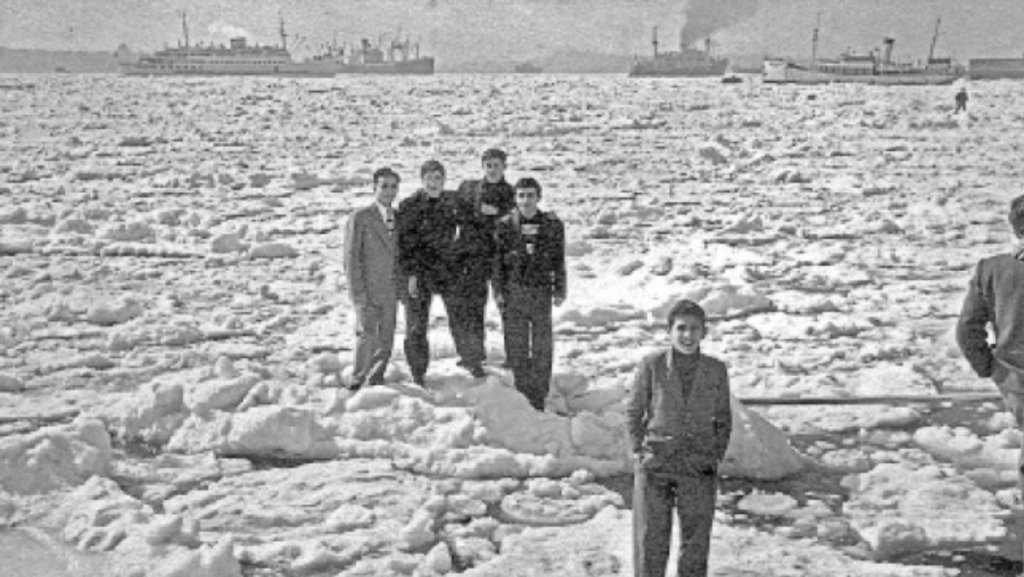
*This is the last article Paul wrote before his accident. Normal service will be resumed as soon as possible.
**Regarding a recent post, ‘Joining the Dots’: legal issues have been resolved, and the post is now available in full.
Older Istanbullular still talk about the winter of 1954. That year the Bosporus froze, and young men with suits but without anything better to do walked between the continents.
I rode out the more recent 2025 storm, when 40 centimeters of snow brought chaos to the city and paralysed the airports. Hard times indeed at the IST Turkish Air lounge, with only free coffee, croissants, hummus and cacik (Turkish tzatziki) to keep the wolves at bay. And olives.
Cold, pressed for time and chewing olives, my indigent mind sidled sideways to the vexed topic of cold-pressed olive oil. What is it, I wondered, that makes it so healthy? And how does it turn ineffective lead (fish oil) into highly functional gold (the well-known fish oil / olive oil blend)? Could it really only be the polyphenols? I started to dig …
Including fish in the diet is associated with many positive outcomes. However …
Purified omega 3 PUFAs are not particularly convincing anti-inflammatory tools in clinical practice (ie 1). When ingested in the usual supplements, which in my view fail to provide the appropriate chaperones, these fragile molecules produce breakdown products in the body which are cytotoxic, mutagenic and arrhythmogenic (2).
This could explain why studies have found that omega 3s may raise inflammatory parameters (3) and increase the risk, in certain groups, of atrial fibrillation (4) and possibly lung cancer (5).
The polyphenols are not hugely effective either (ie 6). Substantial and indeed life-changing therapeutic benefits emerge, however, when you co-administer them with omega 3s. This is due in part to their complementary and super-additive mechanisms of action within the inflammatory cascade (7).
Co-administration of omega 3s and polyphenols occurred naturally in the pre-transitional diet (8), and is an integral component of the Health Protocol. It works even more effectively when combined with blended prebiotics (9, 10) and a broad-spectrum micro- and phytonutrient support program (10), but that is not the main topic of this post.
Instead, let us consider the polyphenol / aliphatic complexes known as lipophenols or phenolipids, in which polyphenols and lipids such as omega 3 fatty acids are physically joined together into a single molecule.
The key characteristic of lipophenols is that they contain a hydrophobic moiety (the lipid component) linked to a hydrophilic moiety (the polyphenolic group), and are therefore amphiphiles (11-13). They are thus able to introduce the highly effective antioxidant cover provided by polyphenols’ multiple hydroxyl groups and high degree of conjugation, into lipid environments such as cell membranes.
Where does one find these important compounds?
Look to the olive, or more precisely to cold-pressed extra-virgin olive oil (EVOO). Lipophenols do not occur in olive fruit, but are formed in small amounts during the pressing of olives by formerly compartmentalized enzymes released by the destruction of the fruit’s inner structures (14).
A similar process occurs when garlic, another Mediterranean staple is crushed, thereby producing the biologically active allicin (15).
This is why changes in the cold-pressing conditions lead to significant variation in lipophenol levels (ie 14) which can be detected by IR-analysis in the lab (16), electro-chemical lab-on-a-strip technology plus a smartphone (17), or, approximately, via the cough test (see below).
The Mediterranean diet is considerably protective against chronic non-communicable conditions including the cancers, and vascular, neurodegenerative and inflammatory bowel disease. EVOO, perhaps the central pillar of the Medi diet (18), contains low levels of the lipophenols tyrosyl oleate (12) and homovanillyl oleate (19, 20), together with the lipophenol-like oleocanthal (21).
NB. Oleocanthal is not a lipophenol according to the structural definition of this category of compound, as its aliphatic component is internal – but it does fit the functional definition. Its amphiphilic nature (22) allows oleocanthal to project anti-oxidant polyphenolic cover into aqueous, lipid and boundary compartments, providing the range of biochemical and therapeutic properties associated with the general class of lipophenols. Hydroxytyrosol is not quite a lipophenol either, but its fatty acid esters are. HT is a fascinating compound with many therapeutic properties and it is somewhat amphiphilic, so it is probably also involved in enhancing omega-3 bioavailability to come extent.
Although the lipophenols clearly exert important anti-inflammatory effects (11, 13, 19, 21), most members of this molecular family have not yet been adequately researched. Oleocanthal is the emerging possible exception. Initial suspicions that orally ingested oleocanthal could not be absorbed seem to have been countered (21-23), and the molecule has been shown to possesses potent anti-inflammatory, anti-cancer, neuroprotective and hepato-protective properties (24-27).
Given the amounts of olive oil that humans actually ingest, however, the therapeutic effects linked to the oil are unlikely to be solely due to oleocanthal (27, 28), and in any case have nothing to do with its oleic acid content (16, 25, 85).
Tyrosyl and homovanillyl oleate therefore likely contribute to EVOO’s overall health impact (12, 13, 19), together with more familiar components such as tyrosol, oleuropein and hydroxytyrosol, the esters of which also have amphiphilic properties (20, 63, 86). Oleanolic acid (87), maslinic acid (88) and pinoresinol (ie 88) are highly biologically active too, and likely contribute to the health benefits associated with the traditional Mediterranean diet.
Extra virgin olive oil is a treasure chest.
Taking this chemical complexity into account, how much EVOO should we consume to gain measurable health benefits?
According to the scientific opinion of the European Food Safety Authority (EFSA), 2 tablespoons of olive oil a day is enough. More specifically, “a daily intake of 20 g of olive oil, which contains at least 5 mg of hydroxytyrosol and its derivatives (e.g., oleuropein and tyrosol) provides the expected beneficial effects” (29, 30).
The lipophenols produced during cold-pressing do not figure in the current EFSA opinion, but opinions change.
For olive oil snobs everywhere. Oleocanthal (the name means olive-derived stinging aldehyde) causes a peppery sensation at the back of the throat by triggering a specific receptor in the oropharynx (31). This is why 2-cough olive oil is considered by the cognoscenti to be better than one-cough.
Global production of olives and olive oil is potentially at risk, due to the poorly understood and therefore poorly contained Olive Quick Decline Syndrome (32). Fortunately, there are other terrestrial food sources of lipophenols.
These valuable and highly bioactive molecules also occur in turmeric, for example, but more abundantly in cashews. Cashew nut shell liquid (CNSL) is a rich source (up to 90% by weight) of the lipophenol anacardic acid (33-35), a compound with huge therapeutic potential (33-44).
Seek cashews in Italy and you will find anacardi, from the Latin / Linnaean term anacardia occidentale. Unlike noce and nociola, however, you will not find cashew nuts (technically, drupes) in their shells. When first picked, the shell is full of a liquid which is mostly anacardic acid and is currently used as a raw material for polymers, paints and brake linings.
Innovative companies working with evidence-based pharmaconutrition should consider CNSL, which clocks in at a mere $500 per metric ton. Current safety concerns are in my view mis-directed. Cashew nut allergy is surprisingly common, and increasing (45), but the allergenic proteins (45) are not present in CNSL (46, 47).
More relevant is the issue of contamination with urushiol. Anacardic acid is a precursor of urushiol, an irritant and allergen which causes contact dermatitis. When pure anacardic acid is diluted in fish oil and ingested ie in capsule form, however, or administered bound to maize protein (zein) nanoparticles, the toxicology studies indicate perfectly adequate safety (48-51). Although anacardic acid does not yet have GRAS status, the safety data indicate that this should be reviewed and granted.
Natural compounds, however functional they might be, cannot be patented. This is why a good deal of research funds are currently devoted to producing semi-synthetic lipophenols, which can be surrounded with the IP needed to make Big Pharma happy.
These semi-synthetics include hydroxytyrosol fatty acid esters, which display enhanced transfer across membranes and are being considered for cosmeceutical applications (52, 53) and as preservatives for foods with lipid matrices (54, 55). They also include a range of lipophenols designed to provide systemic health benefits (54-65). Among other things they are effective modulators of adipokine and adipocytokine production (ie 65, 66), and will therefore find multiple therapeutic uses (63).
The semi-synthetic lipophenols are classified as drugs, or novel food ingredients at best, but the amphiphile oleocanthal (technically a phenylethanoid related to oleuropein) is already in the supplement space and is a candidate for inclusion in next-gen functional foods.
After two tablespoons of liquid gold (Homer’s description of olive oil), look to the wine-dark sea.
The n-3 lipophenols, a sub-set of the larger category of lipophenols, are almost exclusively found in marine sources (55, 56). These are biologically highly significant compounds, because 3-PUFAs and polyphenols are friends with benefits.
3-PUFAs are very prone to oxidation, and form cytotoxic and arrhythmogenic oxidation products in the body unless properly chaperoned (67). Polyphenols are extensively bio-transformed in the body by phase 1 and 2 enzymes (68) and by bacterial enzymes in the gut (69). Bolting polyphenols to 3-PUFAs reduces oxidative stress on the PUFA, modulates biotransformation of the polyphenol, and introduces the biological effects of polyphenols into lipid compartments such as cell membranes.
Lipophenols provide considerable protection against a range of insults (53-65), and naturally occurring n-3 lipophenols and similar compounds will become a significant category in the food and supplement sectors.
(55) and (56) are particularly good reviews from the Universities of Montpellier in France and Jeju in South Korea respectively. The Montpellier group focuses on n-3 lipophenols, while the Korean paper discusses lipophilic and amphiphilic marine polyphenols other than lipophenols.
Like most good things in the ocean (with the possible exception of doubloons), the n-3 lipophenols ultimately derive from marine algae. They are produced by many species including Zonaria spiralis (70), Zonaria tournefortii (71, 72), Zonaria diesingiana and Zonaria farlowii (73), Cystophora torulosa, Chrysanthemoides monilifera and Cordyline congesta (74, 75); where they are present in significant amounts ie up to 0.2% by fresh weight (76).
Obviously, all these algal species produce omega 3 PUFAs (ie 70-72) and here, at last, we arrive at the heart of the matter. The n-3 PUFAs are fragile molecules and yet they traverse multiple trophic layers and survive transit for many months as they percolate to the top of the marine food web (67, 77).
I have talked endlessly about amphiphilic polyphenols being the key reason why oily fish are health-protective while fish oil is not (67, 77-79). At this point it seems most likely that I have been referring, primarily if not exclusively (54-56), to n-3 lipophenols. These are the perfect amphiphiles to bubble-wrap algal n-3 PUFAs in liposomes and enable them to climb the trophic ladder, passing through each species and providing anti-inflammatory protection as they go (77).
The absence of lipophenols and polyphenols in commercial fish oils is likely the main reason why these oils have such poor secondary bioavailability (78, 79, 81), why they lack therapeutic functionality (1, 79, 80), and why they may raise the risk of atrial fibrillation (4, 82). Especially when compared to the combination of omega 3’s and lipophenols that occurs in oily fish, or the combination of omega 3’s and olive-derived amphiphiles in in the classic fish oil / EVOO blend (80, 81).
Don’t you just love those Cortesian moments when the dots join up and a new planet swims into your ken?
Historical endnote.
I often return to the 19th century, to a time when public health was far superior to today’s and when, as a result, Britons ruled the waves – and a quarter of the terrestrial landmass. A little-known fact is that mid-Victorians consumed significant amounts of olive oil. Salads were widely consumed and inevitably dressed with olive oil (83), while among the working classes – and schoolboys – the ubiquitous canned sardines swam, equally inevitably, in olive oil also (83).
This was exclusively virgin and extra virgin olive oil; the industrial refining of edible oils does not appear until the early 1900s (84).
Les Rosbifs were thus eating significant amounts of olive lipophenols and omega-3 lipophenols. From this perspective, the mid-Victorians’ splendid good health (90) reflects a uniquely English version of the Mediterranean diet. A Victorian Englishman could say Surrey, without apologizing.
References:
- Abdelhamid AS, Brown TJ, Brainard JS, Biswas P, Thorpe GC, Moore HJ, Deane KH, Summerbell CD, Worthington HV, Song F, Hooper L. Omega-3 fatty acids for the primary and secondary prevention of cardiovascular disease. Cochrane Database Syst Rev. 2020 Feb 29;3(3):CD003177.
- https://drpaulclayton.eu/blog/watch-your-six/
- Crick DCP, Halligan SL, Davey Smith G, Khandaker GM, Jones HJ. The relationship between polyunsaturated fatty acids and inflammation: evidence from cohort and Mendelian randomization analyses. Int J Epidemiol. 2025 Jun 11;54(4):dyaf065.
- Chen G, Qian ZM, Zhang J, Zhang S, Zhang Z, Vaughn MG, Aaron HE, Wang C, Lip GY, Lin H. Regular use of fish oil supplements and course of cardiovascular diseases: prospective cohort study. BMJ Med. 2024 May 21;3(1):e000451.
- Wang C, Ding Y, Hu Q, Wang B, Xie S, Yang Z, Zhang Z, Dai D, Xiong A, Sun R, Ling Y, Qiu L, Yu F, Xie Z, Peng M. Omega-6/Omega-3 Ratio as a Protective Factor in Lung Cancer: A Mendelian Randomization Study on Polyunsaturated Fatty Acids and Lung Adenocarcinoma Risk. J Cancer. 2025 Jun 12;16(8):2649-2662.
- Di Lorenzo C, Colombo F, Biella S, Stockley C, Restani P. Polyphenols and Human Health: The Role of Bioavailability. Nutrients. 2021 Jan 19;13(1):273.
- https://drpaulclayton.eu/blog/children-of-the-corn/
- Clayton P, Rowbotham J. An unsuitable and degraded diet? Part two: realities of the mid-Victorian diet. J R Soc Med. 2008 Jul;101(7):350-7.
- Sayers B, Wijesekera A, Gibson G. Exploring the potential of prebiotic and polyphenol-based dietary interventions for the alleviation of cognitive and gastrointestinal perturbations associated with military specific stressors. J Funct Foods 87, Dec 2021,104753
- Personal experience
- Arzola-Rodríguez SI, Muñoz-Castellanos LN, López-Camarillo C, Salas E. Phenolipids, Amphipilic Phenolic Antioxidants with Modified Properties and Their Spectrum of Applications in Development: A Review. Biomolecules. 2022 Dec 17;12(12):1897.
- López-Yerena A, Vallverdú-Queralt A, Jáuregui O, Garcia-Sala X, Lamuela-Raventós RM, Escribano-Ferrer E. Tissue Distribution of Oleocanthal and Its Metabolites after Oral Ingestion in Rats. Antioxidants (Basel). 2021 Apr 27;10(5):688.
- Benincasa C, La Torre C, Fazio A, Perri E, Caroleo MC, Plastina P, Cione E. Identification of Tyrosyl Oleate as a Novel Olive Oil Lipophenol with Proliferative and Antioxidant Properties in Human Keratinocytes. Antioxidants (Basel). 2021 Jun 29;10(7):1051.
- Olmo-Cunillera A, Ribas-Agustí A, Lozano-Castellón J, Pérez M, Ninot A, Romero-Aroca A, Lamuela-Raventós RM, Vallverdú-Queralt A. High hydrostatic pressure enhances the formation of oleocanthal and oleacein in ‘Arbequina’ olive fruit. Food Chem. 2024 Mar 30;437(Pt 1):137902.
- Borlinghaus J, Albrecht F, Gruhlke MC, Nwachukwu ID, Slusarenko AJ. Allicin: chemistry and biological properties. Molecules. 2014 Aug 19;19(8):12591-618.
- Mailer R, Beckingham C. Testing olive oil quality: chemical and sensory methods. NSW DPI Prime Fact 231, August 2006
- Silveri F, Scroccarello A, Della Pelle F, Del Carlo M, Compagnone D. Rapid pretreatment-free evaluation of antioxidant capacity in extra virgin olive oil using a laser-nanodecorated electrochemical lab-on-strip. Food Chem. 2023 Sep 15;420:136112.
- Visioli F, Franco M, Toledo E, Luchsinger J, Willett WC, Hu FB, Martinez-Gonzalez MA. Olive oil and prevention of chronic diseases: Summary of an International conference. Nutr Metab Cardiovasc Dis. 2018 Jul;28(7):649-656.
- Plastina P. Chapter 45 – Hydroxytyrosol and hydroxytyrosyl fatty esters: occurrence and anti-inflammatory properties. Olives and Olive Oil in Health and Disease Prevention (Second Edition), AP. (2021), p 547-555
- Plastina P, Benincasa C, Perri E, Fazio A, Augimeri G, Poland M, Witkamp R, Meijerink J. Identification of hydroxytyrosyl oleate, a derivative of hydroxytyrosol with anti-inflammatory properties, in olive oil by-products. Food Chem. 2019 May 1;279:105-113.
- Cuffaro D, Pinto D, Silva AM, Bertolini A, Bertini S, Saba A, Macchia M, Rodrigues F, Digiacomo M. Insights into the Antioxidant/Antiradical Effects and In Vitro Intestinal Permeation of Oleocanthal and Its Metabolites Tyrosol and Oleocanthalic Acid. Molecules. 2023;28:5150.
- López-Yerena A, Vallverdú-Queralt A, Jáuregui O, Garcia-Sala X, Lamuela-Raventós RM, Escribano-Ferrer E. Tissue Distribution of Oleocanthal and Its Metabolites after Oral Ingestion in Rats. Antioxidants (Basel). 2021 Apr 27;10(5):688.
- Lennernäs, H. Human Jejunal Effective Permeability and Its Correlation with Preclinical Drug Absorption Models. J. Pharm. Pharmacol. 1997, 49, 627–638.
- Infante R, Infante M, Pastore D, Pacifici F, Chiereghin F, Malatesta G, Donadel G, Tesauro M, Della-Morte D. An Appraisal of the Oleocanthal-Rich Extra Virgin Olive Oil (EVOO) and Its Potential Anticancer and Neuroprotective Properties. Int J Mol Sci. 2023 Dec 10;24(24):17323.
- Gabbia D. Beneficial Effects of Tyrosol and Oleocanthal from Extra Virgin Olive Oil on Liver Health: Insights into Their Mechanisms of Action. Biology 2024, 13(10), 760
- Visioli F, Davalos A, López de Las Hazas MC, Crespo MC, Tomé-Carneiro J. An overview of the pharmacology of olive oil and its active ingredients. Br J Pharmacol. 2020 Mar;177(6):1316-1330.
- Pang KL, Chin KY. The Biological Activities of Oleocanthal from a Molecular Perspective. Nutrients. 2018;10:570.
- Fogliano V, Sacchi R. Oleocanthal in olive oil: Between myth and reality. Mol. Nutr. Food Res. 2006;50:5–6.
- European Commission Commission Regulation No 432/2012 of 16 May 2012 Establishing a List of Permitted Health Claims Made on Foods, Other Than those Referring to the Reduction of Disease Risk and to Children’s Development and Health. Off. J. Eur. Union. 2012;43:281–320.
- EFSA Panel on Dietetic Products Nutrition and Allergies (NDA) Scientific opinion on the substantiation of health claims related to polyphenols in olive and protection of LDL particles from oxidative damage (ID 1333, 1638, 1639, 1696, 2865), maintenance of normal blood HDL-cholesterol concentrations (ID 1639), maintenance of normal blood pressure (ID 3781), “anti-inflammatory properties” (ID 1882), “contributes to the upper respiratory tract health” (ID 3468), “can help to maintain a normal function of gastrointestinal tract” (ID 3779), and “contributes to body defences against external agents” (ID 3467) pursuant to Article 13(1) of Regulation (EC) No 1924/2006. EFSA J. 2011;9:2033.
- Peyrot des Gachons C, Uchida K, Bryant B, Shima A, Sperry JB, Dankulich-Nagrudny L, Tominaga M, Smith AB. 3rd, Beauchamp GK, Breslin PA. Unusual pungency from extra-virgin olive oil is attributable to restricted spatial expression of the receptor of oleocanthal. J. Neurosci. 2011;31:999–1009.
- https://www.oliveoiltimes.com/business/europe/xylella-may-not-be-responsible-for-olive-tree-devastation-in-puglia-study-finds/129501#:~:text=Olive%20Quick%20Decline%20Syndrome%20(OQDS)%20is%20a%20wasting%20disease%20of,fastidiosa%20bacterium%20causes%20the%20disease.
- Patel RN, Bandyopadhyay S, Ganesh A. Extraction of cashew (Anacardium occidentale) nut shell liquid using supercritical carbon dioxide. Bioresour Technol. 2006
- Apr;97(6):847-53.Aslan M, Hassan SA, Mehak F, Zia S, Bhat ZF, Yikmis S, Aadil RM. Exploring the potential of cashew waste for food and health applications- A review. Future Foods 9, 2024, 100319.
- Paramashivappa P, Kumar PP, Vithayathil PJ, Rao AS. Novel method for isolation of major phenolic components from cashew (Anacardium occidentale L.) J. Agric. Food Chem. 2001;49:2548–2551.
- Morais SM, Silva KA, Araujo H, Vieira IG, Alves DR, Fontenelle RO, Silva AM. Anacardic Acid Constituents from Cashew Nut Shell Liquid: NMR Characterization and the Effect of Unsaturation on Its Biological Activities. Pharmaceuticals (Basel). 2017 Mar 16;10(1):31.
- Medeiros-Linard CFB, Andrade-da-Costa BLDS, Augusto RL, Sereniki A, Trevisan MTS, Perreira RCR, de Souza FTC, Braz GRF, Lagranha CJ, de Souza IA, Wanderley AG, Smailli SS, Lafayette SSL. Anacardic Acids from Cashew Nuts Prevent Behavioral Changes and Oxidative Stress Induced by Rotenone in a Rat Model of Parkinson’s Disease. Neurotox Res. 2018 Aug;34(2):250-262.
- Gomes Júnior AL, Tchekalarova JD, Machado KDC, Moura AKS, Paz MFCJ, da Mata AMOF, Nogueira TR, Islam MT, Rios MAS, Graças Lopes Citó AMD, Uddin SJ, Shilpi JA, Das AK, Lopes LDS, Melo-Cavalcante AAC. Anxiolytic effect of anacardic acids from cashew (Anacardium occidentale) nut shell in mice. IUBMB Life. 2018 May;70(5):420-431.
- Carvalho AL, Annoni R, Torres LH, Durão AC, Shimada AL, Almeida FM, Hebeda CB, Lopes FD, Dolhnikoff M, Martins MA, Silva LF, Farsky SH, Saldiva PH, Ulrich CM, Owen RW, Marcourakis T, Trevisan MT, Mauad T. Anacardic acids from cashew nuts ameliorate lung damage induced by exposure to diesel exhaust particles in mice. Evid Based Complement Alternat Med. 2013;2013:549879.
- Sajeevan SE, Chatterjee M, Paul V, Baranwal G, Kumar VA, Bose C, Banerji A, Nair BG, Prasanth BP, Biswas R. Impregnation of catheters with anacardic acid from cashew nut shell prevents Staphylococcus aureus biofilm development. J Appl Microbiol. 2018 Nov;125(5):1286-1295.
- Toyomizu M, Okamoto K, Ishibashi T, Chen Z, Nakatsu T. Uncoupling effect of anacardic acids from cashew nut shell oil on oxidative phosphorylation of rat liver mitochondria. Life Sci. 2000;66(3):229-34.
- Zhao K, Jia Y, Peng J, Pang C, Zhang T, Han W, Jiang J, Lu X, Zhu J, Qian Y. Anacardic acid inhibits RANKL-induced osteoclastogenesis in vitro and prevents ovariectomy-induced bone loss in vivo. FASEB J. 2019 Aug;33(8):9100-9115.
- Liu Y, Zhao Z, Guo J, Ma Y, Li J, Ji H, Chen Z, Zheng J. Anacardic acid improves neurological deficits in traumatic brain injury by anti-ferroptosis and anti-inflammation. Exp Neurol. 2023 Dec;370:114568.
- Tan J, Jiang X, Yin G, He L, Liu J, Long Z, Jiang Z, Yao K. Anacardic acid induces cell apoptosis of prostatic cancer through autophagy by ER stress/DAPK3/Akt signaling pathway. Oncol Rep. 2017 Sep;38(3):1373-1382.
- Mendes C, Costa J, Vicente AA, Oliveira MBPP, Mafra I. Cashew Nut Allergy: Clinical Relevance and Allergen Characterisation. Clin Rev Allergy Immunol. 2019 Aug;57(1):1-22.
- Cashew Nut Shell Liquid (CNSL) – Properties And Manufacture. Kumar Metal Industries, https://kumarmetal.com/cashew-nut-shell-liquid-cnsl-properties-and-manufacture/
- Daniel Machine. CNSL Chemical Composition: The Mystery of Cashew Nut Shell Liquid. https://danielmachine.co/cnsl-chemical-composition/#:~:text=The%20chemical%20composition%20of%20CNSL,its%20bactericidal%20and%20fungicidal%20properties.
- Carvalho AL, Annoni R, Silva PR, Borelli P, Fock RA, Trevisan MT, Mauad T. Acute, subacute toxicity and mutagenic effects of anacardic acids from cashew (Anacardium occidentale Linn.) in mice. J Ethnopharmacol. 2011 Jun 1;135(3):730-6.
- Araújo JTC, Lima LA, Vale EP, Martin-Pastor M, Lima RA, Silva PGB, Sousa FFO. Toxicological and genotoxic evaluation of anacardic acid loaded-zein nanoparticles in mice. Toxicol Rep. 2020 Sep 1;7:1207-1215.
- Sriram S, Kumar MS, Shourie GK, Palukurthi A, Kadam S, Srikanth TM. Ninety-day toxicity and genotoxic effects of synthetically derived fully saturated forms of anacardic acid in mice. Regul Toxicol Pharmacol. 2024 Feb;147:105538.
- Anacardic Acid (Exempted Substances*1) (Feeds, Fertilizers, etc.). Food Saf (Tokyo). 2025 Jun 27;13(2):34-35.
- Procopio A, Celia C, Nardi M, Oliverio M, Paolino D, Sindona G. Lipophilic hydroxytyrosol esters: fatty acid conjugates for potential topical administration. J Nat Prod. 2011 Nov 28;74(11):2377-81.
- Arzola-Rodríguez SI, Muñoz-Castellanos LN, López-Camarillo C, Salas E. Phenolipids, Amphipilic Phenolic Antioxidants with Modified Properties and Their Spectrum of Applications in Development: A Review. Biomolecules. 2022 Dec 17;12(12):1897.
- Rabiej-Kozioł D, Roszek K, Krzemiński MP, Szydłowska-Czerniak A. Phenolipids as new food additives: from synthesis to cell-based biological activities. Food Addit Contam Part A Chem Anal Control Expo Risk Assess. 2022 Aug;39(8):1365-1379.
- Crauste C, Rosell M, Durand T, Vercauteren J. Omega-3 polyunsaturated lipophenols, how and why? Biochemie 120, 2016, 62-74.
- Nagahawatta DP, Liyanage NM, Jayawardena TU, Jeon Y-J. Marine Polyphenols in Cardiovascular Health: Unraveling Structure–Activity Relationships, Mechanisms, and Therapeutic Implications. Int J Mol Sci. 2024 Aug 1;25(15):8419
- Cubizolle A, Cia D, Moine E, Jacquemot N, Guillou L, Rosell M, Angebault-Prouteau C, Lenaers G, Meunier I, Vercauteren J, Durand T, Crauste C, Brabet P. Isopropyl-phloroglucinol-DHA protects outer retinal cells against lethal dose of all-trans-retinal. J Cell Mol Med. 2020 May;24(9):5057-5069.
- Otaegui L, Lehoux J, Martin L, Givalois L, Durand T, Desrumaux C, Crauste C. Overview of alkyl quercetin lipophenol synthesis and its protective effect against carbonyl stress involved in neurodegeneration. Org Biomol Chem. 2024 Apr 3;22(14):2877-2890.
- Moine E, Boukhallat M, Cia D, Jacquemot N, Guillou L, Durand T, Vercauteren J, Brabet P, Crauste C. New lipophenols prevent carbonyl and oxidative stresses involved in macular degeneration. Free Radic Biol Med. 2021 Jan;162:367-382.
- Aleman-Jimenez C, Dominguez-Perles R, Fanti F, Gallego-Gomez JI, Simonelli-Munoz A, Moine E, Durand T, Crauste S, Gil-Izquierdo A, Medina S. Unravelling the capacity of hydroxytyrosol and its lipophenolic derivates to modulate the H2O2-induced isoprostanoid profile of THP-1 monocytes by UHPLC-QqQ-MS/MS lipidomic workflow. MicroChem J 170 (2021), 106703
- Taveau N, Cubizolle A, Guillou L, Pinquier N, Moine E, Cia D, Kalatzis V, Vercauteren J, Durand T, Crauste C, Brabet P. Preclinical pharmacology of a lipophenol in a mouse model of light-induced retinopathy. Exp Mol Med. 2020 Jul;52(7):1090-1101.
- Otaegui L, Lehoux J, Martin L, Givalois L, Durand T, Desrumaux C, Crauste C. Overview of alkyl quercetin lipophenol synthesis and its protective effect against carbonyl stress involved in neurodegeneration. Org Biomol Chem. 2024 Apr 3;22(14):2877-2890.
- Vincent M, Lehoux J, Desmarty C, Moine E, Legrand P, Dorandeu C, Simon L, Durand T, Brabet P, Crauste C, Begu S. A novel lipophenol quercetin derivative to prevent macular degeneration: Intravenous and oral formulations for preclinical pharmacological evaluation. Int J Pharm. 2024 Feb 15;651:123740.
- Benincasa C, Cersosimo A, Perri E, Nicoletti R, La Torre C, Fazio A, Cione E, Guandique DMA, Caroleo MC, Plastina P. Homovanillyl Oleate, a Novel Lipophenol from Olive Plant with Antioxidant Properties. May 2024, ACS Food Sci & Techn 4(6), DOI: 10.1021/acsfoodscitech.4c00175
- Cruz-Lopez O, de Cerio ED, Rubio-Ruiz B, Espejo-Roman JM, Penalver P, Morales JC, Caboni MF, Coneja-Garcia A. Hydroxytyrosyl punicate: A first overview of a novel phenolipid with antiproliferative and antitrypanosomal activity. June 2024, J Functl Foods 117(23):106249
- Maximus PS, Al Achkar Z, Hamid PF, Hasnain SS, Peralta CA. Adipocytokines: Are they the Theory of Everything? Cytokine. 2020 Sep;133:155144. doi: 10.1016/j.cyto.2020.155144.
- https://drpaulclayton.eu/blog/watch-your-six/
- Cory H, Passarelli S, Szeto J, Tamez M, Mattei J. The Role of Polyphenols in Human Health and Food Systems: A Mini-Review. Front Nutr. 2018 Sep 21;5:87.
- Espín JC, González-Sarrías A, Tomás-Barberán FA. The gut microbiota: A key factor in the therapeutic effects of (poly)phenols. Biochem Pharmacol. 2017 Sep 1;139:82-93.
- Zhang H, Xiao X, Conte MM, Khalil Z, Capon RJ. Spiralisones A-D: acylphloroglucinol hemiketals from an Australian marine alga, Zonaria spiralis. Org. Biomol. Chem. 10 (2012) 9671–9676.
- Tringali C, Piattelli M. 2 chromone derivatives from the brown alga Zonaria-Tournefortii. Tetrahedron Lett. 23 (1982) 1509–1512.
- Amico V, Currenti R, Oriente G, Piattelli M, Tringali C. A phloroglucinol derivative from the brown alga Zonaria-Tournefortii, Phytochemistry 20 (1981), 1451–1453.
- Gerwick W, Fenical W. Phenolic lipids from related marine-algae of the order Dictyotales. Phytochemistry 21 (1982) 633–637.
- Gregson RP, Kazlauskas R, Murphy PT, Wells RJ New metabolites from brown alga Cystophora-Torulosa. Aust. J. Chem. 30 (1977) 2527–2532.
- Kazlauskas R, King L, Murphy PT, Warren RG, Wells RJ. New metabolites from the brown algal Genus Cystophora, Aust. J. Chem. 34 (1981) 439–447.
- Nunez N, Alves SF, Valente S, Barreto MC, de Carvalho MAA. Total lipids and fatty acids composition of macroalgae Asparagopsis taxiformis D., Ulva lactuca L. and Zonaria tournefortii L. of Madeira Archipelago. Presented at 6th Conference of Int Soc Applied Phycology at Nantes, France, June 2017
- https://drpaulclayton.eu/uncategorised/ice-fishing/
- https://drpaulclayton.eu/blog/fish-oil-upgrade-to-snake-oil/
- https://drpaulclayton.eu/blog/in-2018-why-would-anyone-take-fish-oil/
- Méndez L, Medina I. Polyphenols and Fish Oils for Improving Metabolic Health: A Revision of the Recent Evidence for Their Combined Nutraceutical Effects. Molecules. 2021 Apr 22;26(9):2438.
- Zinzino AG. In-house data, soon to be published.
- O’Keefe EL, O’Keefe JH, Abuissa H, Metzinger M, Murray E, Franco G, Lavie CJ, Harris WS. Omega-3 and Risk of atrial fibrillation: Vagally-mediated double-edged sword. Prog Cardiovasc Dis. 2024 Nov 30:S0033-0620(24)00168-3.
- Rowbotham J, 2025. Personal communication.
- Lee AP, King WG. Edible oil deodorizing equipment and methods: A short historical sketch. Oil & Soap, 14, 263-269 (1937)
- Wing A, Jeffery E, Church CD, Goodell J, Saavedra-Peña RDM, Saha M, Holtrup B, Voisin M, Alavi NS, Floody M, Wang Z, Zapadka TE, Garabedian MJ, Varshney R, Rudolph MC, Rodeheffer MS. Dietary oleic acid drives obesogenic adipogenesis via modulation of LXRα signaling. Cell Rep. 2025 Apr 22;44(4):115527.
- Balducci V, Incerpi S, Stano P, Tofani D. Antioxidant activity of hydroxytyrosyl esters studied in liposome models. Biochim Biophys Acta Biomembr. 2018 Feb;1860(2):600-610.
- Castellano JM, Ramos-Romero S, Perona JS. Oleanolic Acid: Extraction, Characterization and Biological Activity. Nutrients. 2022 Jan 31;14(3):623.
- He Y, Wang Y, Yang K, Jiao J, Zhan H, Yang Y, Lv D, Li W, Ding W. Maslinic Acid: A New Compound for the Treatment of Multiple Organ Diseases. Molecules. 2022 Dec 9;27(24):8732.
- Qusa MH, Abdelwahed KS, Meyer SA, El Sayed KA. Olive Oil Lignan (+)-Acetoxypinoresinol Peripheral Motor and Neuronal Protection against the Tremorgenic Mycotoxin Penitrem A Toxicity via STAT1 Pathway. ACS Chem Neurosci. 2020 Nov 4;11(21):3575-3589.
- Clayton P, Rowbotham J. How the mid-Victorians worked, ate and died. Int J Environ Res Public Health. 2009 Mar;6(3):1235-53.


