Quantum fried chicken
On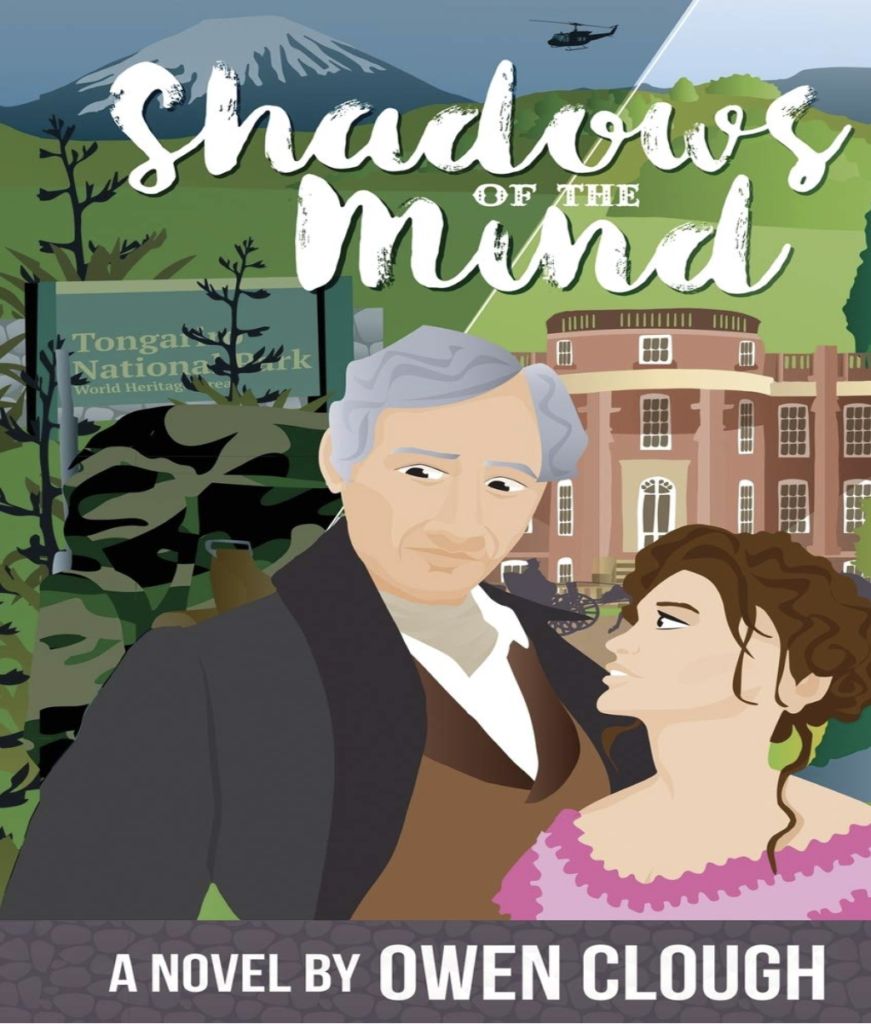
Sir Roger Penrose has a remarkable mind, whatever that is. His contributions to math and physics lead to, among other things, a shared Nobel prize for his work on the inevitability of black holes. He subsequently became interested in the question of consciousness, and in his 1994 book Shadow of the Mind (Owen Clough’s time-tangled romance came much later, and the current iteration of me hasn’t read it), he developed a theory that consciousness is a manifestation of quantum events occurring in the brain.
This theory was criticised, especially by neuroscientists, as another example of brilliance corroded by hubris, and there the matter rested. Until very recently, when a series of experiments suggested that the Penrose model of consciousness might be correct after all.
This story has multiple beginnings but I will commence, arbitrarily, with the protein tubulin, and progress by easy stages to the amino acid L-tryptophan before ending with some implausible dietary suggestions.
Under conditions of normal gravity, tubulin proteins self-assemble into microtubules (1) which form the cytoskeleton in the cells of eukaryotes like us (2). The fact that this process does not work when gravity is low or absent is yet another demonstration of our immersion in and dependence on local conditions (3), and is certainly involved in the physiological damage incurred during prolonged space flight (4).
The microtubule network connects every region of the cell with every other and connects, indirectly, with the extracellular matrix between cells (2). The microtubules form a communication system involved in the coordination of cellular functions, the transport of messenger and other proteins and the processing of certain kinds of information (5, 6).
What kinds of information? Well, this is where things get strange.
In 2002, just 7 years after Ghost in the Shell was released, a team led by Stuart Hameroff and Jack Tuszynski at the University of Arizona examined the possibility that microtubules could act as quantum-sensors and processors (5), and that this might be the origin of consciousness.
A 2015 follow-up paper (6) merged neuroimmunology, information science, cancer and anesthesiology. In their world (and probably ours too), microtubules and other biological ‘wires’ such as actin and collagen process and transmit information through the entire body, connecting the interior of our cells with the exterior world. In short, an organism-wide high-speed communication network that regulates morphogenesis and cellular proliferation, and that might permit the extremely fast flow of information we think of as thought.
Some of this information may even transfer via the extra-cellular matrix (7), which impinges on and is affected by many aspects of brain function (8, 9).
According to the new model, speed of thought was now based on the speed of change of quantum events in the microtubules, and general anesthetics were compounds which switched consciousness off by disrupting quantum events in those microtubules.
In 2020 the team reviewed evidence (10) that microtubules might act as semi-conductors and memristors, the fourth and most recently discovered fundamental circuit element after the resistor, capacitor and inductor.
Memristors have memory properties because their resistance to current depends on the history of the charge that has passed through them. They are used to build Bayesian neural networks, analogues of biological Bayesian processing which probably contributes to consciousness (11). If microtubules really do act as memristors, this could be where elements of working memory (12), associative memory (13) and therefore, probably, consciousness, reside.
The authors mentioned, en passant, the impressive memory of the lowly amoeba which has no neurones or brain but is packed with microtubules; as is the equally erudite slime mould (14, 15).
Circumstantial but persuasive evidence for the microtubule / memristor idea comes from researchers at the University of South Carolina who showed that networks of memristors could solve complex mazes (16), just as amoebae and slime moulds do.
From this perspective, microtubules may be where the cognitive component of autopoiesis (17-19) resides, at least in eukaryotes. A few prokaryotes have simpler microtubules (20), which are probably the evolutionary precursors for ours, and all have protein fibrils, which were likely the original wiring.
Autopoiesis = the capacity of a complex system such as a living cell, organism, or even a social unit to self-organise and maintain itself. I only learned this term very recently.
It gets better. (Or worse, according to taste).
Tuszynski and co-workers published theoretical and experimental evidence that microtubules manifested quantum behaviour (21, 22); although importantly, they conceded that it is not yet clear whether this operates in biological systems.
Now we shift from tubulin to L-tryptophan, which is among other things a key component of tubulin.
Tryptophan is the only amino acid with an indole moiety, and its strong fluorescence response to UV can be used as a signal. It forms mega-network structures in microtubules and other proteins such as haemoglobin and cytochrome-c oxidase, and the photoreceptors cryptochrome and bacteriorhodopsin. Models suggest that megastructures of tryptophan and other aromatic amino acids in tubulin form non-polar, hydrophobic channels where quantum effects can take place (21, 23).
Using tryptophan’s fluorescent signal, Tuszynski’s group had previously shown that general anaesthetics, which by definition quash consciousness, stop all quantum behaviour in these channels (22). General anaesthetics such as the noble gases barely interact with standard carbon chemistry (ie 24), and this paper suggested that anaesthetics might ablate consciousness by temporarily interacting with tubulin and blocking the flow of π-electrons along the internal hydrophobic channels.
1n 2025, at the University of Tehran, Majid Beshkar concluded (25) that Tuczynski’s idea of microtubules having memristor and quantum spintronic properties (ie they can identify and use electron spin as well as charge to perform computations) would be enough to create micro-consciousness. He believed this would emerge in microtubules in the unique environment of neuronal axons’ initial segments (26), where action potentials (and quantum superposition, and ideas?) start, and merge with other islands of micro-consciousness to generate coherent consciousness.
Spintronicity has not yet been proven in microtubules but it has been found in another biological helix, the information storage molecule DNA. Remarkably, DNA shows strong spin selectivity, even at room temperature (27). Microtubules will surely be tested next, and you can see from this that the theory of quantum consciousness is gathering steam.
It is certainly gathering interest in the Military Industrial Complex, where sociopathic drones have developed ways of interfacing microtubules with semiconductor Qubits to make mass murder even more efficient (28). Come quantum bombs and fall on all possible variants of Slough …(29).
Almost synchronously, but in a not quite entangled way, a Prague team had demonstrated that microtubules generate a weak but measurable electromagnetic field (30). This property might derive from their helical structure (31), in that they may be acting as biological electromagnets. And this takes the theory of consciousness in a slightly different but still quantum direction.
In a previous post I wrote about Johnjoe McFadden (32) who makes, I think, a persuasive case for consciousness residing in the ebb and flow of the electromagnetic field, produced by neuro-electric tone and impulses, which bathes and interacts with the entire brain. He believes that these electromagnetic interactions and the brain’s electrochemical communications exhibit properties that can be modeled and predicted using quantum mathematics (33).
I have no idea if McFadden’s and Tuszynsky’s ideas can be combined, but would rejoice if they could because I suspect that a combinatorial model might afford us more autonomy, and more autopoiesis. I cling to the concept of free will like a drowning fish clings to its bicycle, even while far more profound thinkers such as Daniel Dennett present consciousness as little more than a graphical user interface.
There are mathematical arguments against quantum consciousness (34), but the quantum model is finding support from at least one member of the psychology department.
Alex Escola-Gascon is an impressive and, judging from his brooding presence on Google/images, intense scholar at Comillas Pontifical University in the Vatican City State. He published a paper in March of this year describing a monozygotic (identical) twin study which, he claimed, provided robust evidence of quantum-entangled higher states of consciousness (35). I struggled with but enjoyed what little I could understand of his research, which was clearly very well-funded.
Alex recruited 106 pairs of identical twins, all of whom had been raised in the same familial environment for at least 15 years. As any life scientist will tell you, this is already a mammoth undertaking! Each twin was subjected to scrupulously designed and identical test modules in which emotionally loaded stimuli were concealed. These stimuli were subliminal, ie could only be experienced subconsciously.
The tests were done in conditions of non-entanglement or entanglement, which was achieved using Qbits generated by the IBM Brisbane quantum supercomputer.
Monitoring involved advanced biochemistry including BDNF, a marker of neuroplasticity, together with 3-D encephalography and sophisticated test scoring. Collectively, the results showed spooky action at a distance. Escola-Gascon, citing the trinity of Penrose, Hameroff and MacFadden, concluded that entanglement significantly enhanced the efficiency of unconscious learning processes, potentially boosting the accuracy and effectiveness of cognitive performance.
These findings, if repeatable, provide support for the possibility of telepathy and precognition. If taken further, they are in line with the larger idea that the entire universe is in some way conscious, and that our consciousness may be a diminishingly small part of the universal; a Stromme of consciousness, if you will (36).
This in turn would mean that we are all profoundly connected, that Cartesian individualism is a delusion, and that there is a small piece of the divine in all of us. And it would explain the Vatican funding. Escola-Gascon’s grant application must have appeared as a godsend, given the church’s long-standing interest in scientific perspectives on divine action (37).
There is prior art, sort of, harking back to the godless 1950’s.
According to CIA documents, the Soviet scientist Dr Pavel Naumov conducted experiments on rabbits designed to test telepathy, which – if it exists – likely necessitates entanglement. Researchers placed the newborn litter of a mother rabbit onboard a submerged submarine and allegedly detected changes in the parent animals’ brain activity in the onshore research station at the precise moment each baby rabbit was liquidated (38).
Two intelligent and trustworthy friends of mine shared analogous personal experiences with me.
If all or even some of the above are true, the brain is more like a quantum orchestra than a computer. This is bad news for hardcore emergent AI proponents, and it raises many more questions. Does ayahuasca, which elicits a most profound extension of consciousness, illuminate an outer or merely an inner meaning? What happens to quantum consciousness and ‘self’ after death? Are these maintained, transferred, or simply dissipated? Does autopoiesis end with death?
I believe that it does, because I still believe in the inverse square law. A man has to believe in something … And as I also still believe myself to be a pharmacologist, at least intermittently, I will start to end this meander with a nod to the relationship between diet and memory.
Several studies have shown that tryptophan can improve aspects of learning and memory (39-41). Most scientists conclude this occurs via tryptophan’s downstream neurotransmitter serotonin, but at least one paper successfully demonstrated learning enhancement in a pre-clinical model completely independent of any serotonin effects (42). Their data suggested that tryptophan’s cognitive effects were due to increased tubulin auto-assembly, a finding subsequently supported by other researchers (43).
This suggests a new way to learn more effectively, enhance your consciousness and become one with the universe. Eat more L-tryptophan by choosing chicken (44, 45).
Duck through any Western inner city, however, (don’t forget your stab-proof vest (46)), and it’s clear that Colonel Sanders will not march us to up the hill to Nirvana. Western societies are in decline, although those who inhabit or travel to the Global South know that these downward trends are not universal.
There remains the wider and deeper problem of comparative intelligence, and the possibility of deus ex machina.
Proponents of the singularity worry about the rise and rise of AI, but at the same time Google Lens and other AIs are speeding the fall and fall of human analytical thinking (47, 48) by encouraging cognitive offloading. Combined with the anhedonism and demotivation driven by ECS-mediated hippocampal reprogramming (49), the hippocampal decay caused by the industrial diet (50) and the degrading of cognitive function via TikTok and other short-form videos (51), we appear to be creating a doom loop (52).
Encounters between advanced and primitive cultures generally damage the less advanced construct. They precipitate the loss of individual and collective purpose, population decline, political subjugation and, eventually, societal collapse.
Is there hope? A ghost in the machine (53), or in the shell (54)?
Are ‘we’ ‘there’ ‘yet’?
References
- Tabony J, Job D. Spatial structures in microtubular solutions requiring a sustained energy source. Nature. 1990 Aug 2;346(6283):448-51.
- Noordstra I, Akhmanova A. Linking cortical microtubule attachment and exocytosis. F1000Res. 2017 Apr 12;6:469.
- Papaseit C, Pochon N, Tabony J. Microtubule self-organization is gravity-dependent. Proc Natl Acad Sci U S A. 2000 Jul 18;97(15):8364-8.
- Tavassoli M. Medical problems of space flight. Am J Med. 1986 Nov;81(5):850-4.
- Hameroff S, Nip A, Porter M, Tuszynski J. Conduction pathways in microtubules, biological quantum computation, and consciousness. Biosystems. 2002 Jan;64(1-3):149-68.
- Friesen DE, Craddock TJ, Kalra AP, Tuszynski JA. Biological wires, communication systems, and implications for disease. Biosystems. 2015 Jan;127:14-27.
- Panchenko AY, Tchaicheeyan O, Berinskii IE, Lesman A. Does the Extracellular Matrix Support Cell-Cell Communication by Elastic Wave Packets? ACS Biomater Sci Eng. 2022 Dec 12;8(12):5155-5170.
- Karamanos NK, Theocharis AD, Piperigkou Z, Manou D, Passi A, Skandalis SS, Vynios DH, Orian-Rousseau V, Ricard-Blum S, Schmelzer CEH, Duca L, Durbeej M, Afratis NA, Troeberg L, Franchi M, Masola V, Onisto M. A guide to the composition and functions of the extracellular matrix. FEBS J. 2021 Dec;288(24):6850-6912.
- Bach D, Brown SA, Kleim B, Tyagarajan S. Extracellular matrix: a new player in memory maintenance and psychiatric disorders. Swiss Med Wkly. 2019 Jun 2;149:w20060.
- Tuszynski JA, Friesen D, Freedman H, Sbitnev VI, Kim H, Santelices I, Kalra AP, Patel SD, Shankar K, Chua LO. Microtubules as Sub-Cellular Memristors. Sci Rep. 2020 Feb 7;10(1):2108.
- Inage S, Hebishima H. Mathematical proof of the equivalence between the HLbC model of consciousness and Bayesian inference in neural information processing. Neuroscience Chronicles 5(1), 2024
- Wang H, Pan X, Wang J, Sun M, Wu C, Yu Q, Liu Z, Chen T, Liu Y. Dual functional states of working memory realized by memristor-based neural network. Front Neurosci. 2023 Jun 7;17:1192993.
- Pershin YV, Di Ventra M. Experimental demonstration of associative memory with memristive neural networks. Neural Networks. 2010;23(7):881–886.
- Salles-Passador I, Moisand A, Planques V, Wright M. Physarum plasmodia do contain cytoplasmic microtubules! J Cell Sci. 1991 Nov;100 ( Pt 3):509-20.
- Vogel D, Dussutour A. (2016). Direct transfer of learned behavior via cell fusion in non-neural organisms. Proc Soc Royal B 283, 20162382
- Pershin YV, Di Ventra M. Solving mazes with memristors: a massively parallel approach. Phys Rev E. 2011;84(4):046703.
- Maturana H, Varela F. (1973). De máquinas y seres vivos; una teoría sobre la organización biológia. Santiago, Chile: Editorial Universitaria.
- Maturana H, Varela F. (1980). Autopoiesis and cognition: The realization of the living. Boston: Reidel.
- Maturana H, Varela F. (1992). The tree of knowledge: The biological roots of human understanding. Boston: Shambhala
- Pilhofer M, Ladinsky MS, McDowall AW, Petroni G, Jensen GJ. Microtubules in bacteria: Ancient tubulins build a five-protofilament homolog of the eukaryotic cytoskeleton. PLoS Biol. 2011 Dec;9(12):e1001213.
- Nishiyama A, Tanaka S, Tuszynski JA, Tsenkova R. Holographic Brain Theory: Super-Radiance, Memory Capacity and Control Theory. Int J Mol Sci. 2024 Feb 18;25(4):2399.
- Craddock TJ, Hameroff SR, Ayoub AT, Klobukowski M, Tuszynski JA. Anesthetics act in quantum channels in brain microtubules to prevent consciousness. Curr Top Med Chem. 2015;15(6):523-33.
- Babcock NS, Montes-Cabrera G, Oberhofer KE, Chergui M, Celardo GL, Kurian P. Ultraviolet Superradiance from Mega-Networks of Tryptophan in Biological Architectures. J Phys Chem B. 2024 May 2;128(17):4035-4046.
- https://drpaulclayton.eu/blog/xe-and-thee/
- Beshkar M. Consciousness and spintronic coherence in microtubules. Commun Integr Biol. 2025 Oct 21;18(1):2576334.
- Quistgaard EM, Nissen JD, Hansen S, Nissen P. Mind the Gap: Molecular Architecture of the Axon Initial Segment – From Fold Prediction to a Mechanistic Model of Function? J Mol Biol. 2021 Oct 1;433(20):167176.
- Göhler B, Hamelbeck V, Markus TZ, Kettner M, Hanne GF, Vager Z, Naaman R, Zacharias H. Spin selectivity in electron transmission through self-assembled monolayers of double-stranded DNA. Science. 2011 Feb 18;331(6019):894-7.
- Malfavon M, Nayfeh OM. Biological Brain Microtubules Interfaced with Semiconductor Qubits. Technical Report 3285, July 2022. Naval Information Warfare Centre Pacific.
- http://www-cdr.stanford.edu/intuition/Slough.html
- Pokorný J, Pokorný J, Vrba J. Generation of Electromagnetic Field by Microtubules. Int J Mol Sci. 2021 Jul 30;22(15):8215.
- Sept D, Baker NA, McCammon JA. The physical basis of microtubule structure and stability. Protein Sci. 2003 Oct;12(10):2257-61.
- https://drpaulclayton.eu/blog/through-the-k-hole/
- McFadden J. The electromagnetic will. NeuroSci. 2021;2(3):291–304.
- Derakhshani M, Diósi L, Laubenstein M, Piscicchia K, Curceanu C. At the crossroad of the search for spontaneous radiation and the Orch OR consciousness theory. Phys Life Rev. 2022 Sep;42:8-14.
- Escolà-Gascón Á. Evidence of quantum-entangled higher states of consciousness. Comput Struct Biotechnol J. 2025 Mar 10;30:21-40.
- Stromme M. Universal consciousness as foundational field: A theoretical bridge between quantum physics and non-dual philosophy. AIP Advances 15, 115319 (2025)
- https://www.pas.va/en.html
- Soviet and Czechoslovakian Parapsychological Research. Defense Intelligence Agency, CIA-RDP96-00792R000600350001- https://www.cia.gov/readingroom/docs/CIA-RDP96-00792R000600350001-3.pdf
- Booij L, Merens W, Markus CR, Van der Does AJ. A diet rich in alpha-lactalbumin improves memory in unmedicated recovered depressed patients and matched controls. J Psychopharmacol. 2006 Jul;20(4):526-35.
- Mohajeri MH, Wittwer J, Vargas K, Hogan E, Holmes A, Rogers PJ, Goralczyk R, Gibson EL. Chronic treatment with a tryptophan-rich protein hydrolysate improves emotional processing, mental energy levels and reaction time in middle-aged women. Br J Nutr. 2015 Jan 28;113(2):350-65.
- Murphy SE, Longhitano C, Ayres RE, Cowen PJ, Harmer CJ. Tryptophan supplementation induces a positive bias in the processing of emotional material in healthy female volunteers. Psychopharmacology (Berl). 2006 Jul;187(1):121-30.
- Yousefzadeh SA, Jarah M, Riazi GH. Tryptophan Improves Memory Independent of Its Role as a Serotonin Precursor: Potential Involvement of Microtubule Proteins. J Mol Neurosci. 2020 Apr;70(4):559-567.
- Mosseri A, Sancho-Albero M, Mercurio FA, Leone M, De Cola L, Romanelli A. Tryptophan-PNA gc Conjugates Self-Assemble to Form Fibers. Bioconjug Chem. 2023 Aug 16;34(8):1429-1438.
- https://www.myfooddata.com/articles/high-tryptophan-foods.php
- https://goodfoodandredshoes.blogspot.com/2013/01/chicken-and-ham-tangle-pie.html#:~:text=Strip%20o%EF%AC%80%20the%20skin%20from,add%20extra%20potatoes%20or%20rice.
- https://ppc.land/tfl-denies-ricky-gervais-stab-vest-ad-rejection-claim-amid-train-attack/
- Gerlich M. AI Tools in Society: Impacts on Cognitive Offloading and the Future of Critical Thinking. Societies 2025, 15(9), 252.
- Lee HP, Sarkar A, Tankelevich L, Drosos I, Rintel S, Banks R, Wilson. The Impact of Generative AI on Critical Thinking: Self-Reported Reductions in Cognitive Effort and Confidence Effects From a Survey of Knowledge Workers. In Proceedings of the 2025 CHI Conference on Human Factors in Computing Systems (CHI ’25). Association for Computing Machinery, New York, NY, USA, Article 1121, 1–22.
- https://drpaulclayton.eu/uncategorised/from-cod-to-cannabis/
- Landry T, Perrault L, Melville D, Chen Z, Li YD, Dong P, Farmer WT, Asrican B, Lee H, Zhang L, Sheehy RN, Damian C, Collins T, Stewart N, Anton ES, Song J. Targeting glucose-inhibited hippocampal CCK interneurons prevents cognitive impairment in diet-induced obesity. Neuron. 2025 Sep 11:S0896-6273(25)00622-1.
- Nguyen L, Walters J, Paul S, Monreal Ijurco S, Rainey GE, Parekh N, Blair G, Darrah M. Feeds, feelings, and focus: A systematic review and meta-analysis examining the cognitive and mental health correlates of short-form video use. Psychol Bull. 2025 Sep;151(9):1125-1146.
- https://drpaulclayton.eu/blog/controlled-flight-into-terrain/
- https://medium.com/@Philbo/inversion-soul-in-the-machine-never-intended-to-possess-one-cb5b37bb229f
- https://en.wikipedia.org/wiki/Ghost_in_the_Shell_(1995_film)