Stop all the Clocks
On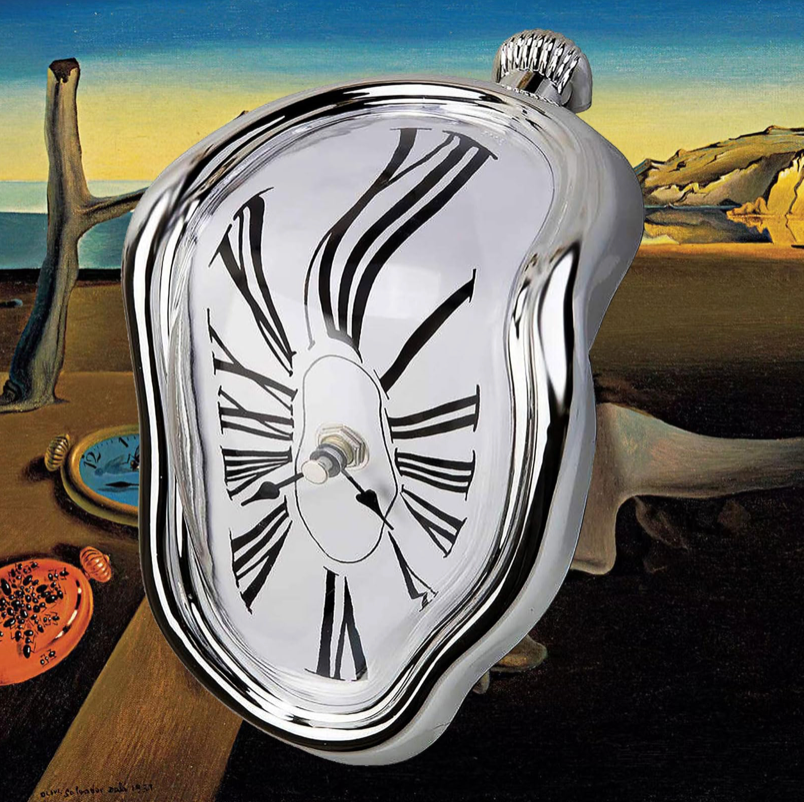
A time to be born, and a time to die.
Epigenetic clocks, which count down age-related changes in DNA methylation, are coming up to speed. These are not the only biological clocks, but they appear to be the most promising tools for measuring biological age and vulnerability (1, 2).
The first-generation Horvath’s and Hannum’s clocks were trained on, and measure chronological age. Second-generation PhenoAge and GrimAge 1 & 2 were trained on mortality and health indicators, and give some indication of life and health expectancy.
Third generation DunedinPace measures the rate of epigenetic ageing, and hints at whether you were ageing more or less rapidly than average. Fourth-generation causal clocks use Mendelian randomization to focus on sites likely to code directly for ageing (CausAge) and age-related tissue damage (DamAge), and are an attempt to move closer to the actual machinery of ageing and dying.
We have not yet arrived at the dystopian world of In Time (3), a mediocre film which portrays a future where time is money and the wealthy buy immortality. But we are heading in that direction, and narcissists like Brian Johnson and Jeff Bezos are planning to be first into the lifeboats via highly personalised, expensive and lab-based technologies.
I have met a few of this select crowd and while some of them are charming, good company and highly intelligent, their approach is the antithesis of my own view that extended good health should be for everyone, and is most safely and cheaply achieved through pharmaconutrition.
Observe your friends, family and colleagues. It’s obvious that some age more rapidly, others more slowly. What is their secret?
The secret is that there is no one secret. The epigenetic clocks can be slowed or speeded in different but overlapping ways.
Retardants include exercise, quality sleep, a healthy diet, stress management, access to green spaces (4) and the OSKM factors, an old Soviet colour TV system re-purposed as a group of 4 transcription factors which re-program adult cells. (These are also known as Yamanaka factors, and are not to be trifled with.)
Accelerants include a range of pathologies from cardiovascular to neurodegenerative disease, major depression, HIV infection and neurodevelopmental disorders (5-7). They also include obesity, diabetes, fatty liver disease, alcohol misuse, smoking, physical inactivity (8), early life adversity (9), environmental degradation, poverty, and chronic stress. Technophobes will be delighted to know that excessive digital exposure, a significant source of chronic stress, is probably another accelerant (10, 11).
A quick review of these variables (12) shows the importance of simple lifestyle changes. Get the exercise, drug use, sleep and chronic stress components under your belt if you can, but make room for food because diet has a huge impact on most of the remaining factors.
An optimal diet and lifestyle prevents chronic inflammation (13), restores eubiosis (14), alleviates Type B malnutrition (15) and reduces or cures metabolic skew (16). This will support optimal body weight, improve glycaemic control (16, 17), protect against most of the chronic degenerative diseases and damp neuroinflammation, thereby reducing anxiety and depression (18, 19). These benefits will neutralise or diminish most of the accelerants which accelerate the epigenetic clocks. That in turn will improve health expectancy, and therefore life expectancy.
Or is it the other way round?
The relationship between epigenetic ageing and clinical ageing is complex, to say the least. The main causes of failing health and death today are the chronic degenerative non-communicable diseases, and the question I first asked in 2022 (20), more recently investigated by Keshavaz and Ehninger (21), is do the epigenetic changes associated with ageing drive the degenerative changes or merely reflect them?
Epigenetic clocks do appear to have predicative value, but could they simply be responding to early, pre-clinical disease?
If epigenetic changes do reflect disease, they may be artefactual in the sense that they are at least in part driven by the modern exposome and modifiable, rather than being wholly intrinsic and inevitable.
Even the deepest processes in ageing, such as the gradual run-down of repair mechanisms (22, 23), the accumulation of senescent cells (24, 25), progressive mitochondrial dysfunction (25, 26) and telomeric shortening (27) are susceptible to modification by dietary enhancement. And so, it turns out, are many aspects of epigenetic ageing (28, 29).
We return, again, to the problem of ultra-processed foods.
A new review of 104 long-term studies concluded that high intakes of UPF’s damage every major organ system, and in this way increase the risks of chronic disease and death (30). In other words, they accelerate ageing. The authors concluded that these new industrial foods are so unsuited to our stone-age metabolic requirements that they are poisoning us en masse (30), and they identified the corporate killers who are doing this (31, 32), together with the political puppets they rent.
Politics aside, it is no coincidence that that these foods also accelerate epigenetic ageing (33). Unfortunately, this still doesn’t tell us whether epigenetic decay causes or follows the pathophysiology, so let’s consider another data set.
I have documented the machinery whereby these foods kill us above, and have described (and designed their antidotes) elsewhere (34). If all these studies are meaningful then healthier diets such as the Mediterranean diet, with polyphenols, prebiotic fibers and omega 3 PUFAs to the forefront, should not only reduce the risk of degenerative disease (35, 36), but also slow or even reverse the epigenetic clocks. And indeed, they do both of these things (37, 38).
Once again, this shows convergence but still does not reveal which way the causal arrow flies. What we need is a data set that shows epigenetic change without health change, or vice versa.
And here it is! Possibly …
In the recent COSMOS trial, a basic multivitamin product (plus cocoa extract) may have shown slight epigenetic slowing in Generation 1, 2 and 3 clocks (39). Keep in mind, however, that while multivitamins produce minor changes in health outcomes, they have NO effect on life expectancy (40). The COSMOS results therefore suggest that epigenetic changes do not drive physical ageing, but run behind it. Or they both reflect an ur-uhr, which seems unlikely.
nb. COSMOS did record a slight improvement in cognitive function. This was unrelated to the epigenetic changes, and more likely due to pharmacological (ie cerebrovascular) effects.
The Keshavarz / Ehninger paper (21) indicates that people do not die of ageing, but of degenerative pathologies which become more prevalent as we age. Healthy diets such as the Mediterranean diet postpone these pathologies (35, 36), with subsequent (I suggest) slowing of the epigenetic clocks (37, 38).
I designed the health protocol as an alternative to a healthy diet, but what happens if it is added to a heathy diet? Another data point, further down the road? A further ageing of society?
The case outlined above is theoretical, and likely to be overtaken by real world events. I am a European, and Europe is in long-term decline due to the current crop of second-rate Gauleiters who serve masters other than the citizens /serfs they nominally represent.
Last year, more than 16,600 excess deaths in England last year were linked to accident and emergency (A&E) department waits of 12 hours or more (41, 42). Stunting (43, 44) and child mortality (45) are increasing, as are deaths of despair (46). Less money to spend on food and disappearing National Health dentists lead directly to more fatty liver disease (47) and periodontal disease (48, 49), both of which increase mortality (50, 51).
We are being immiserated, and will soon experience the same catastrophic loss of life (52, 53) that the Russians suffered (54) after the Harvard boys looted and raped Russia in the 1991/1992 collapse.
The cure for this is not nutrition but insurrection. It cannot come soon enough. (55, 56).
References:
- Jylhävä J, Pedersen NL, Hägg S (2017). Biological age predictors. EBioMedicine, 21:29-36.
- Polidori MC (2024). Aging hallmarks, biomarkers, and clocks for personalized medicine: (re)positioning the limelight. Free Radical Biol Med, 215:48-55.
- https://www.rottentomatoes.com/m/in_time
- https://drpaulclayton.eu/blog/the-bug-is-a-feature-pt-4-good-fences-make-good-neighbors/
- Barkley RA, Dawson G. Higher Risk of Mortality for Individuals Diagnosed With Autism Spectrum Disorder or Attention-Deficit/Hyperactivity Disorder Demands a Public Health Prevention Strategy. JAMA Pediatr. 2022 Apr 1;176(4):e216398.
- Hong Y. Association between epigenetic age acceleration and psychiatric disorders: a bidirectional Mendelian randomization study. Eur Arch Psychiatry Clin Neurosci. 2025 Aug 1. doi: 10.1007/s00406-025-02069-x. Epub ahead of print.
- O’Nions E, El Baou C, John A, Lewer D, Mandy W, McKechnie DGJ, Petersen I, Stott J. Life expectancy and years of life lost for adults with diagnosed ADHD in the UK: matched cohort study. Br J Psychiatry. 2025 Jan 23;226(5):1-8.
- Ammous F, Peterson MD, Mitchell C, Faul JD. Physical Activity Is Associated With Decreased Epigenetic Aging: Findings From the Health and Retirement Study. J Cachexia Sarcopenia Muscle. 2025 Jun;16(3):e13873.
- Chang OD, Meier HCS, Maguire-Jack K, Davis-Kean P, Mitchell C. Childhood Maltreatment and Longitudinal Epigenetic Aging: NIMHD Social Epigenomics Program. JAMA Netw Open. 2024 Jul 1;7(7):e2421877.
- Firth J, Torous J, Yung AR. Digital detoxification: A systematic review and meta-analysis of randomized controlled trials. Psychiatry Res (2019), 2731–930634110
- Devi KA, Singh SK. The hazards of excessive screen time: Impacts on physical health, mental health, and overall well-being. J Educ Health Promot. 2023 Nov 27;12:413.
- Oblak L, van der Zaag J, Higgins-Chen AT, Levine ME, Boks MP. A systematic review of biological, social and environmental factors associated with epigenetic clock acceleration. Ageing Res Rev. 2021 Aug;69:101348.
- Tsigalou C, Konstantinidis T, Paraschaki A, Stavropoulou E, Voidarou C, Bezirtzoglou E. Mediterranean Diet as a Tool to Combat Inflammation and Chronic Diseases. An Overview. Biomedicines. 2020 Jul 8;8(7):201.
- Perrone P, D’Angelo S. Gut Microbiota Modulation Through Mediterranean Diet Foods: Implications for Human Health. Nutrients. 2025 Mar 8;17(6):948.
- Castro-Quezada I, Román-Viñas B, Serra-Majem L. The Mediterranean diet and nutritional adequacy: a review. Nutrients. 2014 Jan 3;6(1):231-48.
- Thyfault JP, Bergouignan A. Exercise and metabolic health: beyond skeletal muscle. Diabetologia. 2020 Aug;63(8):1464-1474.
- Martín-Peláez S, Fito M, Castaner O. Mediterranean Diet Effects on Type 2 Diabetes Prevention, Disease Progression, and Related Mechanisms. A Review. Nutrients. 2020 Jul 27;12(8):2236.
- Frye BM, Negrey JD, Johnson CSC, Kim J, Barcus RA, Lockhart SN, Whitlow CT, Chiou KL, Snyder-Mackler N, Montine TJ, Craft S, Shively CA, Register TC. Mediterranean diet protects against a neuroinflammatory cortical transcriptome: Associations with brain volumetrics, peripheral inflammation, social isolation, and anxiety in nonhuman primates (Macaca fascicularis). Brain Behav Immun. 2024 Jul;119:681-692.
- Allcock L, Mantzioris E, Villani A. Adherence to a Mediterranean Diet Is Inversely Associated with Anxiety and Stress but Not Depression: A Cross-Sectional Analysis of Community-Dwelling Older Australians. Nutrients. 2024 Jan 26;16(3):366.
- https://drpaulclayton.eu/blog/the-methyl-lab/
- Keshavarz M, Ehninger D. Beyond the hallmarks of aging: Rethinking what aging is and how we measure it. Genomic Psychiatr. (2025), 1-14, DOI: 10.61373/gp025i.0119
- Panier S, Wang S, Schumacher B. Genome Instability and DNA Repair in Somatic and Reproductive Aging. Annu Rev Pathol. 2024 Jan 24;19:261-290.
- Farrell S, Kane AE, Bisset E, Howlett SE, Rutenberg AD. Measurements of damage and repair of binary health attributes in aging mice and humans reveal that robustness and resilience decrease with age, operate over broad timescales, and are affected differently by interventions. Elife. 2022 Nov 21;11:e77632.
- Maduro AT, Luís C, Soares R. Ageing, cellular senescence and the impact of diet: an overview. Porto Biomed J. 2021 Feb 11;6(1):e120.
- Calubag MF, Robbins PD, Lamming DW. A nutrigeroscience approach: Dietary macronutrients and cellular senescence. Cell Metab. 2024 Sep 3;36(9):1914-1944.
- Kyriazis ID, Vassi E, Alvanou M, Angelakis C, Skaperda Z, Tekos F, Garikipati VNS, Spandidos DA, Kouretas D. The impact of diet upon mitochondrial physiology (Review). Int J Mol Med. 2022 Nov;50(5):135.
- Galiè S, Canudas S, Muralidharan J, García-Gavilán J, Bulló M, Salas-Salvadó J. Impact of Nutrition on Telomere Health: Systematic Review of Observational Cohort Studies and Randomized Clinical Trials. Adv Nutr. 2020 May 1;11(3):576-601.
- Koemel NA, Skilton MR. Epigenetic Aging in Early Life: Role of Maternal and Early Childhood Nutrition. Curr Nutr Rep 11, 318–328 (2022).
- Villanueva JL, Vita AA, Zwickey H, Fitzgerald K, Hodges R, Zimmerman B, Bradley R. Dietary associations with reduced epigenetic age: a secondary data analysis of the methylation diet and lifestyle study. Aging (Albany NY). 2025 Apr 17;17(4):994-1010.
- Monteiro CA, Louzada ML, Steele-Martinez E, Cannon G, Andrade GC, Baker P, Bes-Rastrollo M, Bonaccio M, Gearhardt AN, Khandpur N, Kolby M, Levy RB, Machado PP, Moubarac JC, Rezende LFM, Rivera JA, Scrinis G, Srour B, Swinburn B, Touvier M. Ultra-processed foods and human health: the main thesis and the evidence. Lancet. 2025 Dec 6;406(10520):2667-2684.
- Scrinis G, Popkin BM, Corvalan C, Duran AC, Nestle M, Lawrence M, Baker P, Monteiro CA, Millett C, Moubarac JC, Jaime P, Khandpur N. Policies to halt and reverse the rise in ultra-processed food production, marketing, and consumption. Lancet. 2025 Dec 6;406(10520):2685-2702.
- Baker P, Slater S, White M, Wood B, Contreras A, Corvalán C, Gupta A, Hofman K, Kruger P, Laar A, Lawrence M, Mafuyeka M, Mialon M, Monteiro CA, Nanema S, Phulkerd S, Popkin BM, Serodio P, Shats K, Van Tulleken C, Nestle M, Barquera S. Towards unified global action on ultra-processed foods: understanding commercial determinants, countering corporate power, and mobilising a public health response. Lancet. 2025 Dec 6;406(10520):2703-2726.
- Cardoso BR, Liu J, Machado P, Kwon D, Belsky DW, Martinez Steele E. Association between ultra-processed food intake and biological ageing in US adults: findings from National Health and Nutrition Examination Survey (NHANES) 2003-2010. Age Ageing. 2024 Nov 28;53(12):afae268.
- Clayton P. You are Here: How to Regain and Maintain Your Health, in 4 Easy Courses. (https://www.amazon.com/dp/1913539482 )
- Romagnolo DF, Selmin OI. Mediterranean Diet and Prevention of Chronic Diseases. Nutr Today. 2017 Sep;52(5):208-222.
- Dominguez LJ, Di Bella G, Veronese N, Barbagallo M. Impact of Mediterranean Diet on Chronic Non-Communicable Diseases and Longevity. Nutrients. 2021 Jun 12;13(6):2028.
- Yaskolka Meir A, Keller M, Hoffmann A, Rinott E, Tsaban G, Kaplan A, Zelicha H, Hagemann T, Ceglarek U, Isermann B, Shelef I, Blüher M, Stumvoll M, Li J, Haange SB, Engelmann B, Rolle-Kampczyk U, von Bergen M, Hu FB, Stampfer MJ, Kovacs P, Liang L, Shai I. The effect of polyphenols on DNA methylation-assessed biological age attenuation: the DIRECT PLUS randomized controlled trial. BMC Med. 2023 Sep 25;21(1):364.
- Gensous N, Garagnani P, Santoro A, Giuliani C, Ostan R, Fabbri C, Milazzo M, Gentilini D, di Blasio AM, Pietruszka B, Madej D, Bialecka-Debek A, Brzozowska A, Franceschi C, Bacalini MG. One-year Mediterranean diet promotes epigenetic rejuvenation with country- and sex-specific effects: a pilot study from the NU-AGE project. Geroscience. 2020 Apr;42(2):687-701.
- Li S, Hamaya R, Rist P, Zhu H, Manson JA, Dong Y, Sesso H. Abstract 008: Effect of a daily multivitamin on 2-year changes in DNA methylation measures of biological aging: Findings from the COSMOS Randomized Clinical Trial. Abstracts from American Heart Association’s Epidemiology and Prevention/Lifestyle and Cardiometabolic Health 2025 Scientific Sessions
- Loftfield E, O’Connell CP, Abnet CC, Graubard BI, Liao LM, Beane Freeman LE, Hofmann JN, Freedman ND, Sinha R. Multivitamin Use and Mortality Risk in 3 Prospective US Cohorts. JAMA Netw Open. 2024 Jun 3;7(6):e2418729.
- https://www.nhsconfed.org/news/nhs-confederation-responds-analysis-suggesting-long-ae-waits-linked-16600-deaths#:~:text=Responding%20to%20a%20new%20analysis,been%20unthinkable%20a%20decade%20ago.
- Barnes E, Ndlovu N, Knowles L, Price V, Subbe C. Patients cared for in the Corridor of a large hospital in the United Kingdom: Sick, elderly, and sad. Acute Med. 2024;23(4):172-175.
- Food Foundation Org. Children’s Health Report, June 2024. https://foodfoundation.org.uk/sites/default/files/2024-06/TFF_Children%27s%20Health%20Report.pdf
- NCD Risk Factor Collaboration (NCD-RisC). A century of trends in adult human height. Elife. 2016 Jul 26;5:e13410.
- Child and maternal health profiles, statistical commentary: March 2025 update. https://www.gov.uk/government/statistics/child-and-maternal-health-profiles-march-2025-update/child-and-maternal-health-profiles-statistical-commentary-march-2025-update#:~:text=The%20infant%20mortality%20rate%20in%20England%20increased%20for%20the%20first,change%20was%20not%20statistically%20significant
- https://commonslibrary.parliament.uk/research-briefings/cbp-7749/#:~:text=Relative%20to%20the%20size%20of,was%20the%20highest%20since%201999.
- https://britishlivertrust.org.uk/the-british-liver-trust-warns-that-an-estimated-four-in-five-people-who-have-the-more-advanced-form-of-fatty-liver-disease-are-undiagnosed/
- https://theconversation.com/over-half-of-uk-adults-will-have-dental-disease-by-2050-according-to-our-research-233033#:~:text=Based%20on%20these%20results%2C%20we,now%20%E2%80%93%20and%20as%20they%20age.
- Elamin A, Ansah JP. Projecting the burden of dental caries and periodontal diseases among the adult population in the United Kingdom using a multi-state population model. Front Public Health. 2023 Sep 7;11:1190197.
- El Masri J, Al Malak A, El Masri D, Ghazi M, Al Boussi S, El Masri Y, Hassoun M, Tlayss M, Salameh P, Hosseini H. The Association Between Periodontitis, Gingivitis, Tooth Loss and Stroke: An Umbrella Study with Meta-Analysis. Brain Sci. 2024 Dec 26;15(1):10.
- Feng Q, Izzi-Engbeaya CN, Branch AD, Mullish BH, Manousou P, Woodward M. The Relationships Between MASLD, Extrahepatic Multimorbidity, and All-Cause Mortality in the UK Biobank Cohort. J Clin Endocrinol Metab. 2025 Dec 18;111(1):e58-e69.
- Braveman PA, Cubbin C, Egerter S, Williams DR, Pamuk E. (2010). Socioeconomic disparities in health in the United States: What the patterns tell us. American Journal of Public Health, 100(Suppl 1), S186–S196.
- Mode NA, Evans MK, Zonderman AB. (2016). Race, neighborhood economic status, income inequality and mortality. PLoS ONE, 11(5), e0154535
- Notzon FC, Komarov YM, Ermakov SP, Sempos CT, Marks JS, Sempos EV. Causes of declining life expectancy in Russia. JAMA. 1998 Mar 11;279(10):793-800.
- Baetz D. Reflections on Homeland Insecurity: The Strategic Anatomy of Civil Wars to Come. Military Strategy, Sep 25, 2025
- https://www.youtube.com/watch?v=WnjPoISWLCQ